
HDPE Pipe Systems
Coordinated, specification-aligned supply of HDPE pipe systems, fittings, valves, and fusion equipment for mining and infrastructure pipeline projects.
HDPE Pressure Pipe
PE100 HDPE pressure pipe supplied across a range of SDR classifications and pressure ratings to support pipeline systems used in mining dewatering, slurry transfer, civil water networks, and industrial pipeline infrastructure.
Typical coordinated supply ranges include:
• DN63 to DN1200+ pipeline systems
• SDR7.4 to SDR33 classifications
• Pressure ratings up to PN25 depending on project specification
Large-diameter fabricated fittings, including segmented bends and custom configurations exceeding DN630, are coordinated through certified production capacity for project-specific pipeline applications.
Diameters and pressure classes are allocated based on confirmed project specifications, operating requirements, and pipeline system design parameters.
Supply is aligned to internationally recognised standards including AS/NZS 4130, ISO 4427-2, and EN 12201-2, subject to project specification and jurisdictional requirements.


Electrofusion Fittings
Project-aligned electrofusion fittings supplied to maintain pressure continuity and specification alignment across HDPE pipe systems and pipeline networks.
Includes:
• Electrofusion couplers
• Electrofusion elbows
• Electrofusion tees
• Electrofusion reducers
• Tapping saddles where specified
Electrofusion components are selected to align with nominated SDR classifications, pressure ratings, and compatibility with project-specified control units.
Butt Fusion Fittings
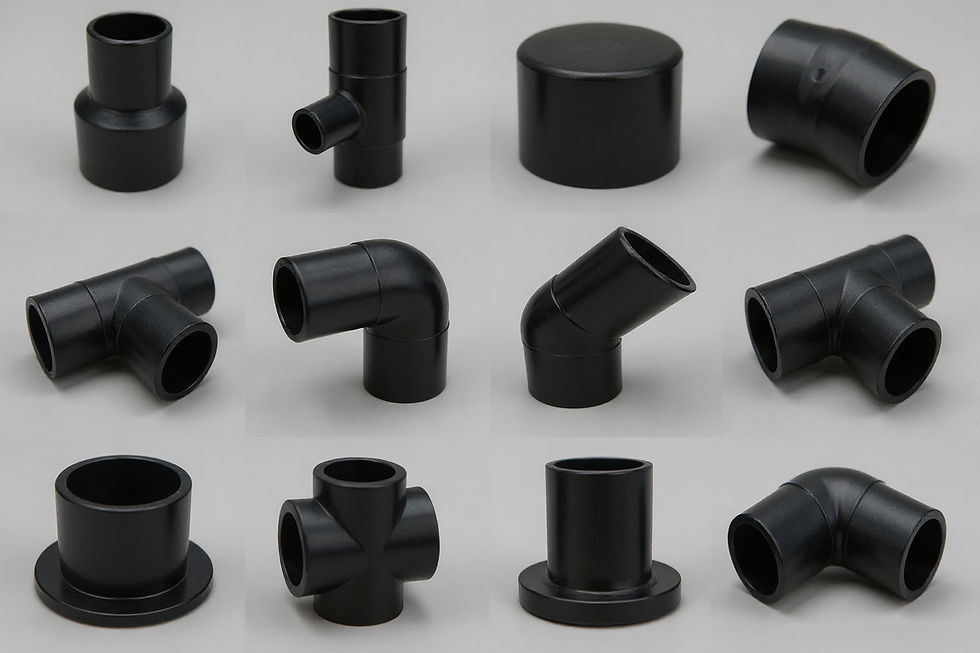
Moulded and fabricated butt fusion fittings supplied to align with nominated SDR classifications and HDPE pipe system application requirements.
Includes:
• 45° and 90° elbows
• Equal and reducing tees
• Concentric reducers
• Spigot fittings
• End caps
Large-diameter fabricated fittings, including segmented bends and custom configurations exceeding DN630, are coordinated through certified production capacity to meet dimensional tolerances, pressure classifications, and compliance requirements.

Flange Assemblies
Complete HDPE flange assemblies coordinated to interface HDPE pipe systems with valves, pumps, and mechanical equipment.
Includes:
• HDPE stub ends
• Galvanised backing rings
• Stainless steel backing rings
Assemblies are allocated to ensure dimensional compatibility, pressure rating alignment, and secure interface with mating valves, pumps, and mechanical equipment interfaces.
Valves & Isolation
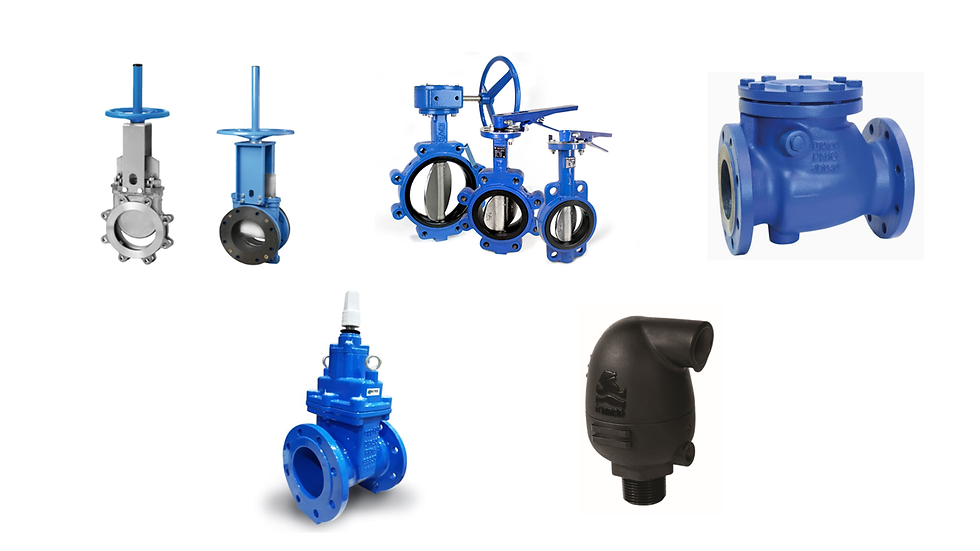
Isolation and flow control components supplied as part of integrated HDPE pipe systems.
Includes:
• Knife gate valves for slurry and tailings applications
• Resilient seated butterfly valves for water and process lines
• Check valves for pump discharge and backflow protection
• Air release valves for long-distance pipeline installations
Valve selection is aligned to nominated pressure classifications, flow requirements, media characteristics, and project operating conditions to ensure compatibility with the overall HDPE system design.

Fusion Equipment & Installation Tooling
Fusion equipment and installation tooling supplied to support HDPE pipe system installation and assembly, including:
• Butt fusion machines
• Electrofusion control units
• Pipe preparation tools
• Jointing consumables
Equipment selection is aligned with nominated pipe diameter ranges, jointing methodology, and project installation requirements to ensure compatibility with the specified HDPE system.
Structured System Coordination
Aquenza Systems consolidates HDPE pipe, fittings, valves, and fusion equipment into integrated pipeline supply packages aligned with project specifications and delivery schedules
All supply is project-based and subject to preliminary specification alignment review prior to dispatch to confirm SDR compatibility, pressure rating alignment, and overall system integrity.
Aquenza’s coordinated supply model supports HDPE pipe systems for mining dewatering, civil water networks, industrial process facilities, and utility infrastructure projects.
Final design responsibility remains with the appointed project engineer.